
ECZEMA
📅 24th September 2026
⏱ 5 min read
Eczema and Diet: Why What You Add In Matters More Than What You Cut Out
If you've searched "eczema diet" recently, you'll have found no shortage of lists telling you exactly what to cut out — dairy, gluten, nightshades, sugar, sometimes entire food groups. It's understandable why these lists are so popular: when your skin is flaring, you want something concrete to do. But here's the honest picture the research actually shows: for most people with eczema, food is not the root cause, and a lot of the confident-sounding "avoid this" advice circulating online is based on self-reported surveys rather than controlled research. Some genuine food allergies do exist and matter enormously for the people who have them — but for everyone else, cutting out food groups without proper guidance can do more harm than good.
So rather than starting with what to eliminate, I want to flip the question: what should you actually be adding in?
Louise Cowlishaw
BANT Registered Nutritional Therapist
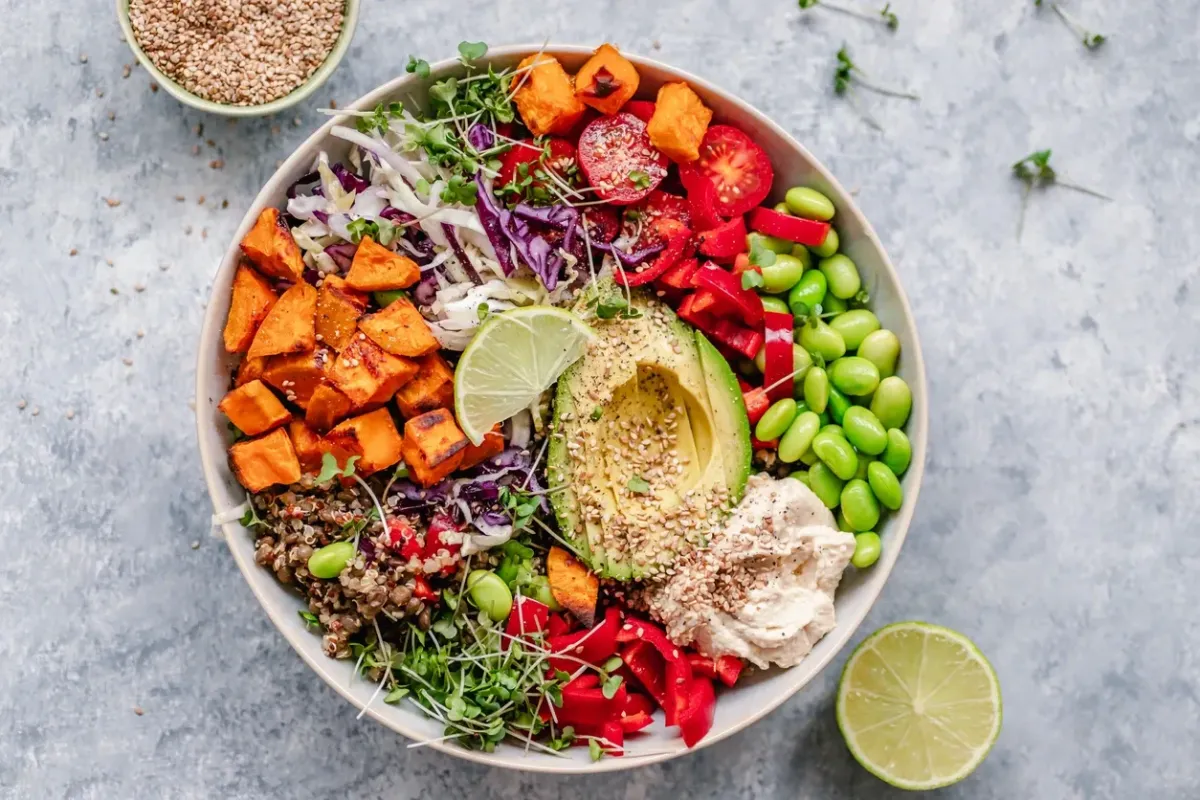
Why unsupervised elimination can backfire
It feels intuitive that removing a "suspect" food should help. But your gut is home to trillions of bacteria, and the diversity of that microbial community depends heavily on the diversity of what you eat — particularly the range of fibres reaching your colon. When you cut out entire food groups without a clear reason or professional support, you often narrow your diet more than you realise, which can reduce that microbial diversity and create gaps in key nutrients. Given that gut health and inflammation are closely linked, an unsupervised elimination diet can end up working against the very thing you're trying to fix. This is exactly why any elimination approach should be done with support from a registered nutritionist, dietitian, or nutritional therapist — not worked out alone from a blog list.
What to add in
Fermented foods. Of everything studied in relation to eczema and diet, probiotics have the most genuinely promising evidence — modest, but real, particularly with multiple bacterial strains rather than just one. You don't need a supplement to start: kefir, natural yoghurt, sauerkraut, kimchi, miso, and tempeh are all accessible ways to bring more live cultures into your diet regularly.
A wide diversity of fibre-rich foods. This is about variety as much as quantity. Different types of fibre feed different families of gut bacteria, so eating a genuinely broad range of vegetables, fruits, whole grains, legumes, nuts and seeds supports a more resilient, diverse microbiome than any single "superfood" ever could. A simple goal: aim to include a wider range of plant foods across your week rather than the same five on repeat.
Why this works: building tolerance from within. Fermented foods and a diverse fibre intake do more than just add "good bacteria" — together, they help create a healthier gut microbial environment that produces short-chain fatty acids (SCFAs) like butyrate. SCFAs are a key fuel source for the cells lining your gut, and they play a central role in supporting intestinal barrier function — essentially helping keep that lining resilient rather than more "leaky" than it should be. A stronger gut barrier means better communication with your immune system, which in turn supports a more balanced, anti-inflammatory internal state rather than one primed to overreact. Over time, this is part of how improving your gut environment can genuinely increase your tolerance to foods, rather than simply avoiding them indefinitely — which is really the crux of why "adding in" tends to be more powerful than "cutting out."
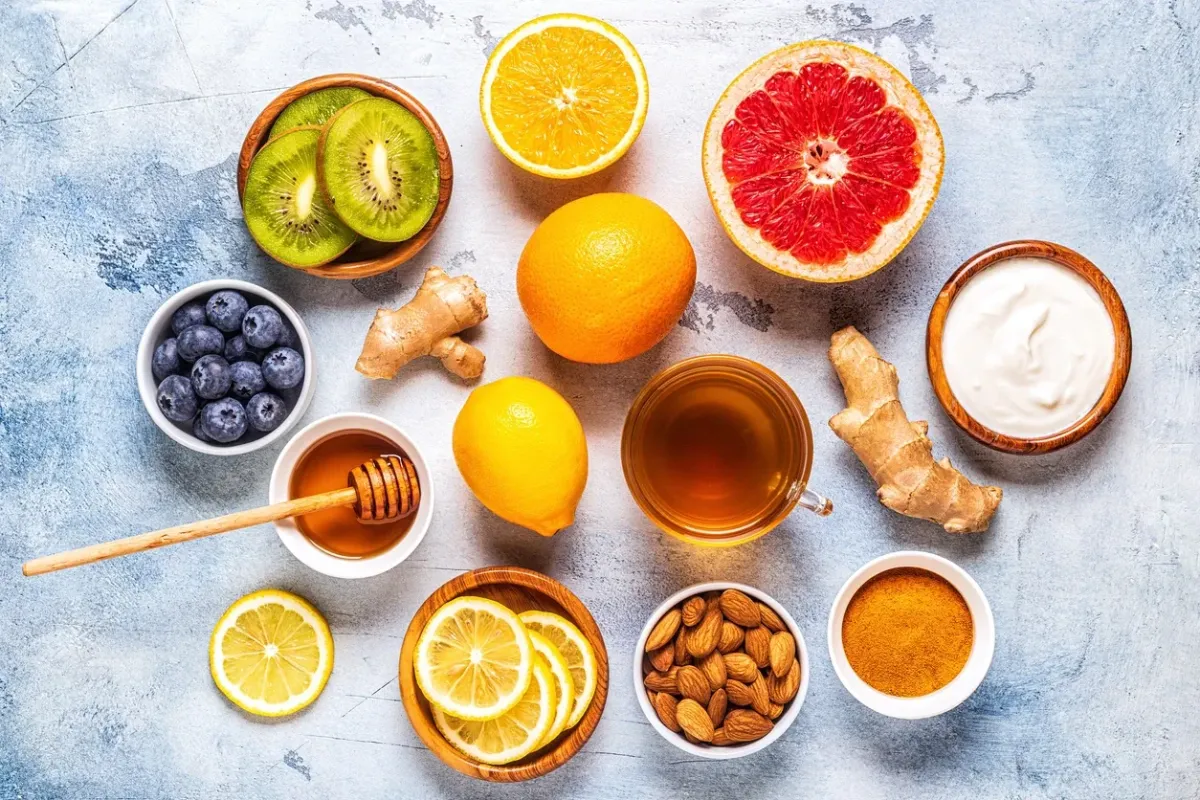
Polyphenol-rich foods. Berries, apples, onions, broccoli, herbs, spices, and green tea are all rich in polyphenols and compounds like quercetin, which have general antioxidant and anti-inflammatory properties. These won't single-handedly resolve a flare, but as a consistent part of your diet they support your body's overall inflammatory balance.
Healthy fats — omega-3, omega-6, and monounsaturated fats. As I've written about before, omega-6 isn't the enemy it's made out to be — GLA specifically plays a role in skin barrier support, and oily fish (salmon, mackerel, sardines) brings omega-3 to help balance it. Monounsaturated fats, found in olive oil, avocado, and nuts, round this out and are a cornerstone of the anti-inflammatory dietary patterns most consistently linked to better outcomes across inflammatory conditions generally.
What to moderate
Alongside adding these in, a few things are worth moderating — not eliminating, but being mindful of: alcohol, refined carbohydrates and high sugar intake, and saturated fat found in ultra-processed and fried foods specifically (distinct from the olive oil, oily fish, and nuts recommended above). These are consistently associated with a more pro-inflammatory internal environment, which is worth being aware of even though none of them are an eczema "cause" on their own.
Why this isn't one-size-fits-all
Even within this add-in approach, individual differences matter. Your existing gut microbiome, genetics, and current nutrient status all affect how your body responds to any of this — which is why a personalised assessment tends to get better results than a generic list, however well-researched. If you want to understand what your body specifically needs rather than guessing from a blog post (even this one), that's exactly the kind of thing I help clients work through.
DM me any questions, or book a free 20-minute call to talk it through.

Louise Cowlishaw
BANT-registered nutritional therapist specialising in eczema, acne and gut health
✓BANT REGISTERED
Ready to take control of your skin?
Book a 20-minute discovery call to find out how nutritional therapy could help you.
Get articles like this straight to your inbox
Sign up for evidence-based insights on skin health and nutrition
More from the journal
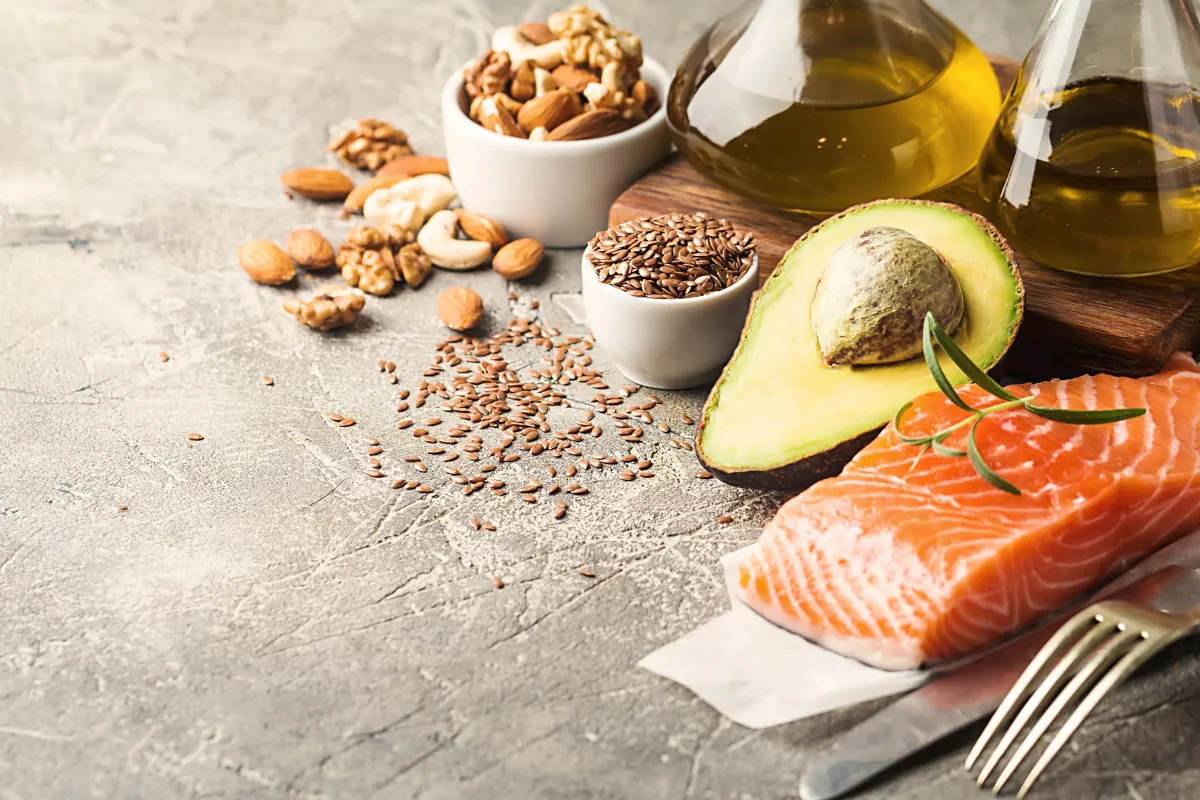
The importance of Omega-6 Fatty Acids in Eczema
If you have tried to cut out omega-6 from your diet hoping to reduce inflammation and improve your skin health then you may need to check the research. Omega-6 isn't just one thing, it's a whole family of fats that behave differently from each other, and one member, GLA, tends to run low in people with eczema and can actually be very helpful to skin health.

Coming soon
How is gut health linked to eczema?
Have you heard of the gut-skin axis? With over 70% of our immune system being in the gut it is no wonder that gut-driven inflammation can directly affect your skin and this is particularly relevant in eczema where the immune system is in overdrive. Find out what steps you can make to improve your gut health...
Coming soon
What are the benefits of functional stool tests?
Functional stool tests can give you a deeper dive into the health of the gut environment. They can provide indicators of inflammation or dysbiosis, digestive ability and also provide information on the bacteria living within the gut but professional stool tests are expensive so are they worth it? This article explores this in more detail.
Ready to take control of your skin?
Book a free discovery call and find out how personalised nutritional therapy could help you build lasting skin health from within.
Nourished Skin
©2025 Nourished Skin. All rights reserved.